



Baker Home Energy: Southern California Solar & Home Battery Solutions
California has the nation’s most expensive electricity, and they keep rising. Ask us about how solar energy can help you save money, save the planet and free yourself from constantly increasing electric bills.
If you live in Southern California, solar is a no-brainer.
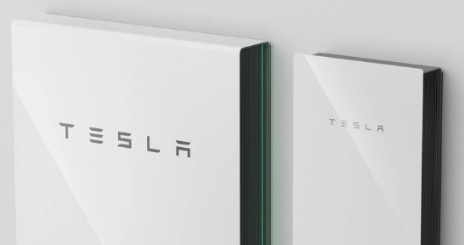
Solar is now a proven and mature technology. When you pair solar panels with a home battery, you’ll see enough significant energy bill savings to help you recoup your investment – however long you stay in your current property. Plus, now you’re generating your own electricity from a renewable source, helping the planet.
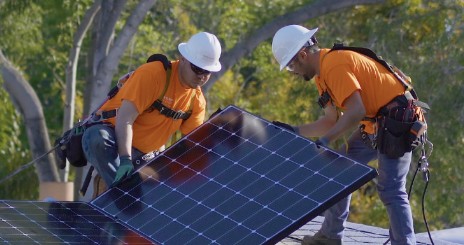
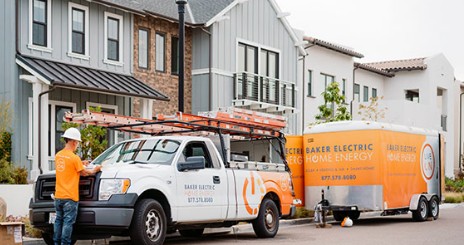
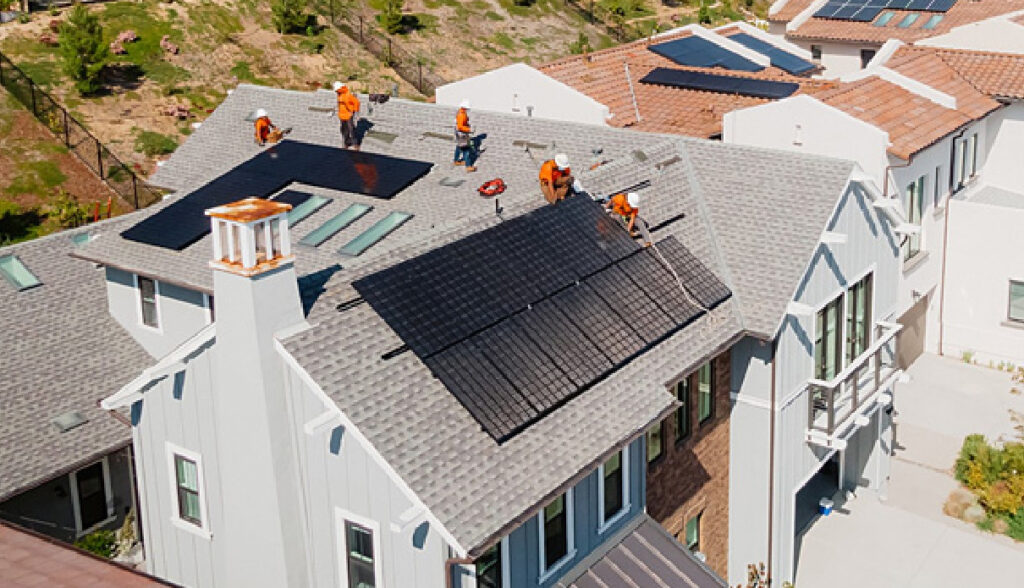
So why choose Baker? We’ll guide you through the entire process, providing transparent and honest advice about what you need and how best to finance it. We’ll custom design a high quality solution that’s built for your exact needs and our own qualified technicians will install it, protecting your home at every stage. Bonus: we’ll handle all the permitting hassles too.
baker electric home energy, baker electric solar, baker home energy
Understanding Solar Incentives and Rebates
Solar incentives and rebates can significantly reduce the upfront costs of installing solar energy systems. In California, various programs are available to homeowners, including the federal Investment Tax Credit (ITC), which allows you to deduct a substantial percentage of your solar installation costs from your federal taxes.
Additionally, California offers state-specific incentives such as the California Solar Initiative (CSI) and local utility rebates that can further enhance savings. Homeowners should explore these options to maximize their financial benefits when transitioning to solar energy.
Common Myths About Solar Energy
Many misconceptions surround solar energy, which can deter potential users from making the switch. One common myth is that solar panels only work in sunny weather, while in reality, they can still generate electricity on cloudy days, albeit at reduced efficiency.
Another prevalent myth is that solar energy systems require extensive maintenance. In truth, solar panels are designed to be low-maintenance, needing only occasional cleaning and inspection to ensure optimal performance. Understanding these myths can help homeowners make informed decisions about adopting solar technology.
Comparing Solar Panel Technologies
When considering solar panels, it's essential to understand the different technologies available. The two most common types are monocrystalline and polycrystalline panels. Monocrystalline panels are known for their high efficiency and space-saving design, making them ideal for homes with limited roof space.
On the other hand, polycrystalline panels are typically less expensive and have a lower efficiency rate. However, they are still a viable option for homeowners with ample roof area. Evaluating these technologies can help you choose the best solar solution for your specific needs.
Long-Term Benefits of Solar Energy
Investing in solar energy offers numerous long-term benefits, including substantial savings on electricity bills. As energy prices continue to rise, having a solar energy system allows homeowners to lock in their energy costs and potentially eliminate their electric bills altogether.
Moreover, solar energy increases property value, as homes equipped with solar systems are often more attractive to buyers. The environmental impact is also significant; by using renewable energy, homeowners contribute to reducing carbon emissions and promoting sustainability in their communities.
baker electric home energy, baker electric solar, baker home energy
Understanding Solar Incentives and Rebates
Solar incentives and rebates can significantly reduce the upfront costs of installing solar energy systems. In California, various programs are available to homeowners, including the federal Investment Tax Credit (ITC), which allows you to deduct a substantial percentage of your solar installation costs from your federal taxes.
Additionally, California offers state-specific incentives such as the California Solar Initiative (CSI) and local utility rebates that can further enhance savings. Homeowners should explore these options to maximize their financial benefits when transitioning to solar energy.
Common Myths About Solar Energy
Many misconceptions surround solar energy, which can deter potential users from making the switch. One common myth is that solar panels only work in sunny weather, while in reality, they can still generate electricity on cloudy days, albeit at reduced efficiency.
Another prevalent myth is that solar energy systems require extensive maintenance. In truth, solar panels are designed to be low-maintenance, needing only occasional cleaning and inspection to ensure optimal performance. Understanding these myths can help homeowners make informed decisions about adopting solar technology.
Comparing Solar Panel Technologies
When considering solar panels, it's essential to understand the different technologies available. The two most common types are monocrystalline and polycrystalline panels. Monocrystalline panels are known for their high efficiency and space-saving design, making them ideal for homes with limited roof space.
On the other hand, polycrystalline panels are typically less expensive and have a lower efficiency rate. However, they are still a viable option for homeowners with ample roof area. Evaluating these technologies can help you choose the best solar solution for your specific needs.
Long-Term Benefits of Solar Energy
Investing in solar energy offers numerous long-term benefits, including substantial savings on electricity bills. As energy prices continue to rise, having a solar energy system allows homeowners to lock in their energy costs and potentially eliminate their electric bills altogether.
Moreover, solar energy increases property value, as homes equipped with solar systems are often more attractive to buyers. The environmental impact is also significant; by using renewable energy, homeowners contribute to reducing carbon emissions and promoting sustainability in their communities.