
Solar Installation in Ramona, CA | Baker Home Energy: Comprehensive Guide to Residential Solar Solutions and Savings
Solar energy is rapidly becoming a preferred choice for homeowners in Ramona, CA, as it offers a sustainable solution to rising energy costs and environmental concerns. This comprehensive guide will explore the various solar installation options available, the financial benefits of adopting solar energy, and the incentives that can help make the transition more affordable. Homeowners often face challenges in understanding the installation process, the long-term savings, and the best practices for selecting reliable solar installers. By addressing these topics, this article aims to empower residents of Ramona with the knowledge needed to make informed decisions about solar energy solutions. We will cover the installation processes, cost savings, available incentives, long-term benefits, and more, ensuring a thorough understanding of residential solar energy in the area.
Comprehensive Guide to Residential Solar Solutions for Solar Installation in Ramona, CA
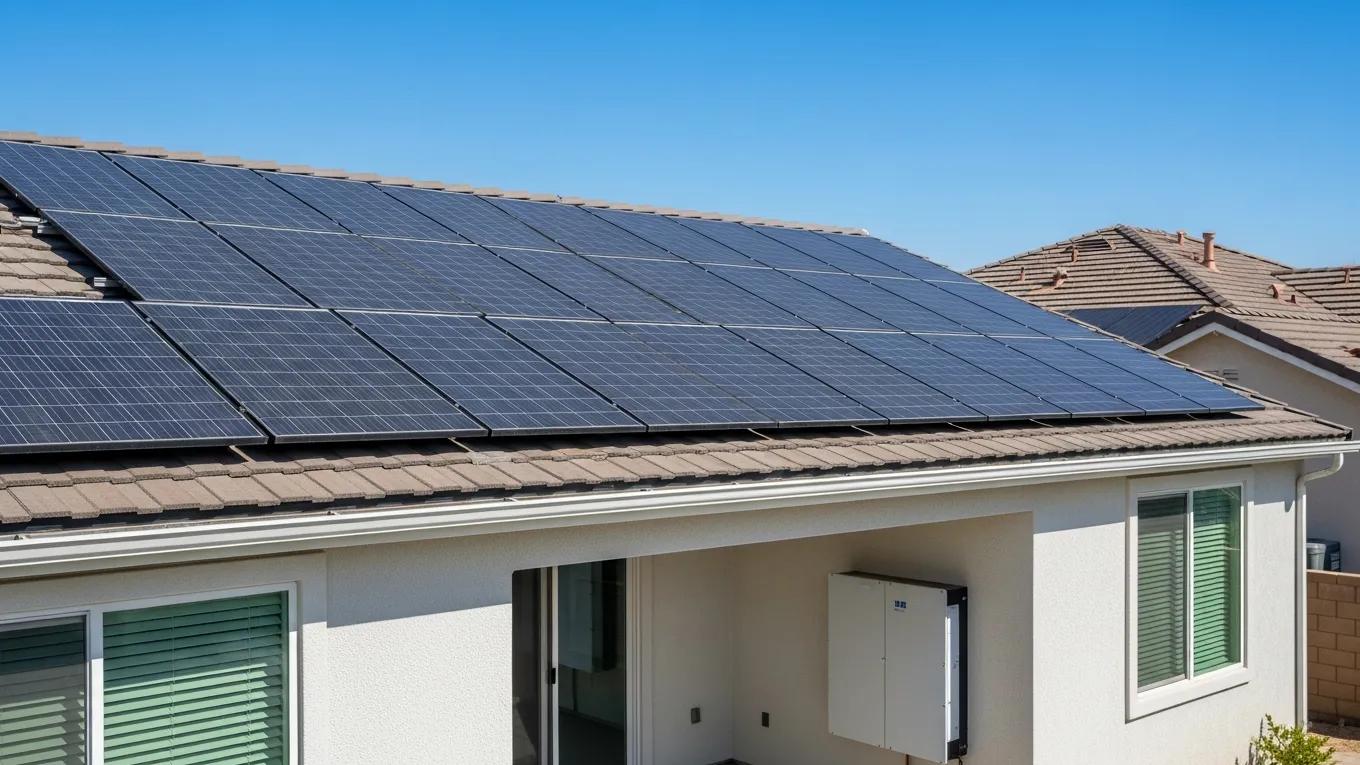
Residential solar solutions encompass a variety of systems designed to harness solar energy for home use. These systems can significantly reduce electricity bills and contribute to a more sustainable lifestyle. In Ramona, homeowners can choose from different types of solar panels, including monocrystalline, polycrystalline, and thin-film options, each with unique benefits and efficiencies. Understanding these options is crucial for selecting the right system that meets individual energy needs while maximizing savings.
1. Installation Processes
The solar installation process involves several key steps to ensure a successful setup.
- Initial Consultation: Homeowners meet with solar experts to discuss energy needs and assess the property.
- Site Evaluation: A thorough evaluation of the roof and property is conducted to determine the best solar solution.
- Design and Permitting: Custom designs are created, and necessary permits are obtained to comply with local regulations.
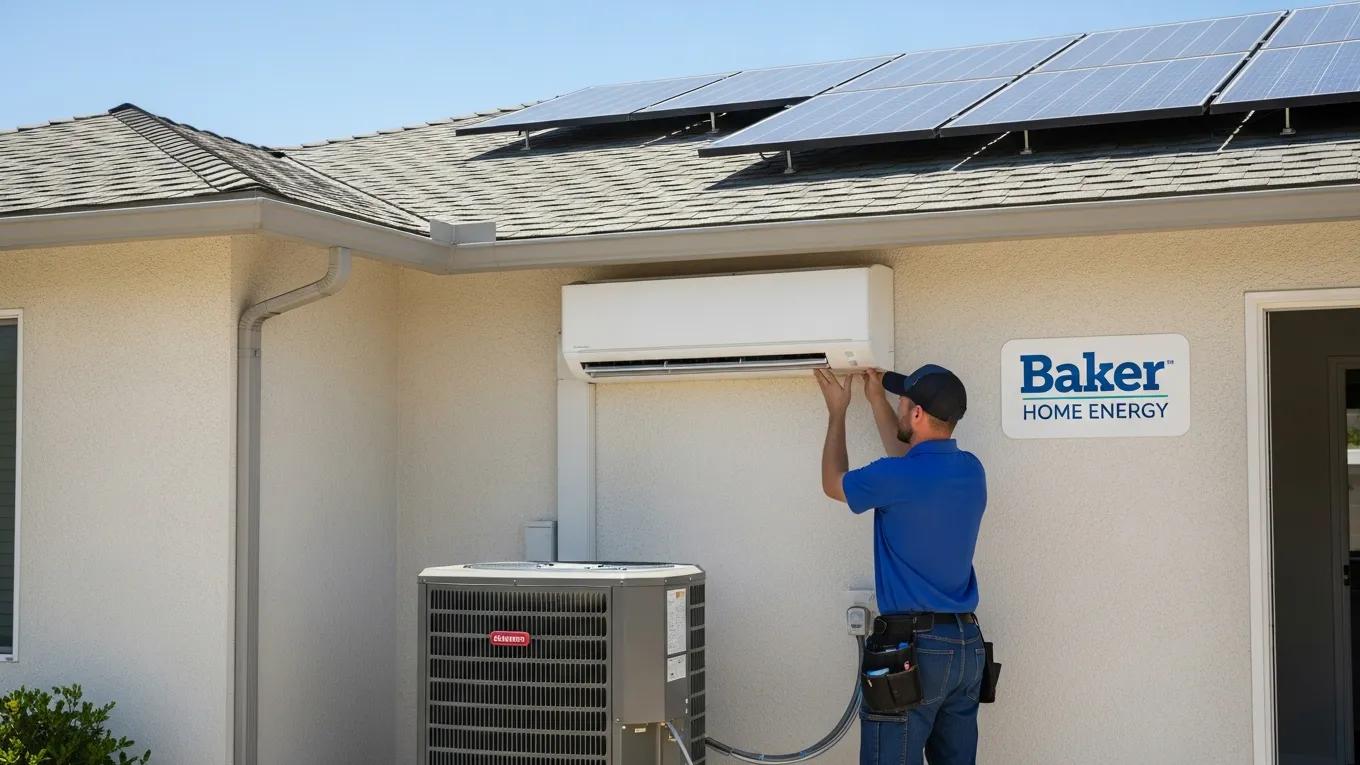
- Installation: The solar panels and associated equipment are installed by trained professionals.
- Final Inspection: A final inspection ensures that the installation meets all safety and performance standards.
This structured approach guarantees that homeowners receive a tailored solar solution that fits their specific requirements.
2. Cost Savings
Investing in solar panels can lead to substantial financial benefits for homeowners in Ramona.
- Reduced Electricity Bills: Solar energy can significantly lower monthly utility costs, providing immediate savings.
- Increased Home Value: Homes equipped with solar systems often see an increase in property value, making them more attractive to potential buyers.
- Long-Term Savings: Over time, the savings from reduced energy costs can offset the initial investment in solar technology.
To illustrate these financial benefits, the following table compares the potential savings associated with solar installation:
These figures highlight the financial advantages of transitioning to solar energy, making it a wise investment for homeowners.
3. Available Incentives

Homeowners in Ramona can take advantage of various incentives to reduce the cost of solar installation.
- Federal Investment Tax Credit (ITC): This program allows homeowners to deduct 30% of the cost of solar systems from their federal taxes (note: this rate is applicable until the end of 2022 and may change in subsequent years).
- California Solar Initiative: This state program offers rebates for solar installations, further lowering upfront costs, though funding may vary.
- Local Utility Rebates: Many local utility companies provide additional rebates for homeowners who install solar systems, enhancing overall savings.
Baker Home Energy can assist homeowners in navigating these incentives, ensuring they maximize their savings and benefits.
4. Long-Term Benefits
The long-term benefits of solar energy extend beyond financial savings.
- Environmental Impact: Solar energy reduces reliance on fossil fuels, leading to lower greenhouse gas emissions and a smaller carbon footprint.
- Energy Independence: By generating their own electricity, homeowners can reduce their dependence on the grid and protect themselves from rising energy prices.
- Low Maintenance: Solar systems typically require minimal maintenance, making them a hassle-free energy solution.
These benefits contribute to a more sustainable future for both homeowners and the environment.
5. Finding Reliable Solar Installers
Selecting a trustworthy solar installation company is crucial for a successful solar project.
- Research Local Companies: Homeowners should investigate local solar providers, focusing on their experience and reputation.
- Check Customer Reviews: Reading reviews and testimonials can provide insight into the quality of service offered by different companies.
- Verify Certifications: Ensuring that installers are certified and licensed can help guarantee a professional installation.
By following these steps, homeowners can find reliable solar installers who will deliver quality service and support.
6. Financing Options
Financing options for solar installations can make the transition more accessible for homeowners.
- Solar Loans: Many financial institutions offer loans specifically for solar installations, allowing homeowners to pay for their systems over time.
- Leases and Power Purchase Agreements (PPAs): These options allow homeowners to install solar systems with little to no upfront cost, paying for the energy produced instead.
- Tax Credits: Homeowners can benefit from federal and state tax credits, further reducing the overall cost of solar installation.
These financing options provide flexibility and make solar energy more attainable for a wider range of homeowners.
7. Energy Storage Systems
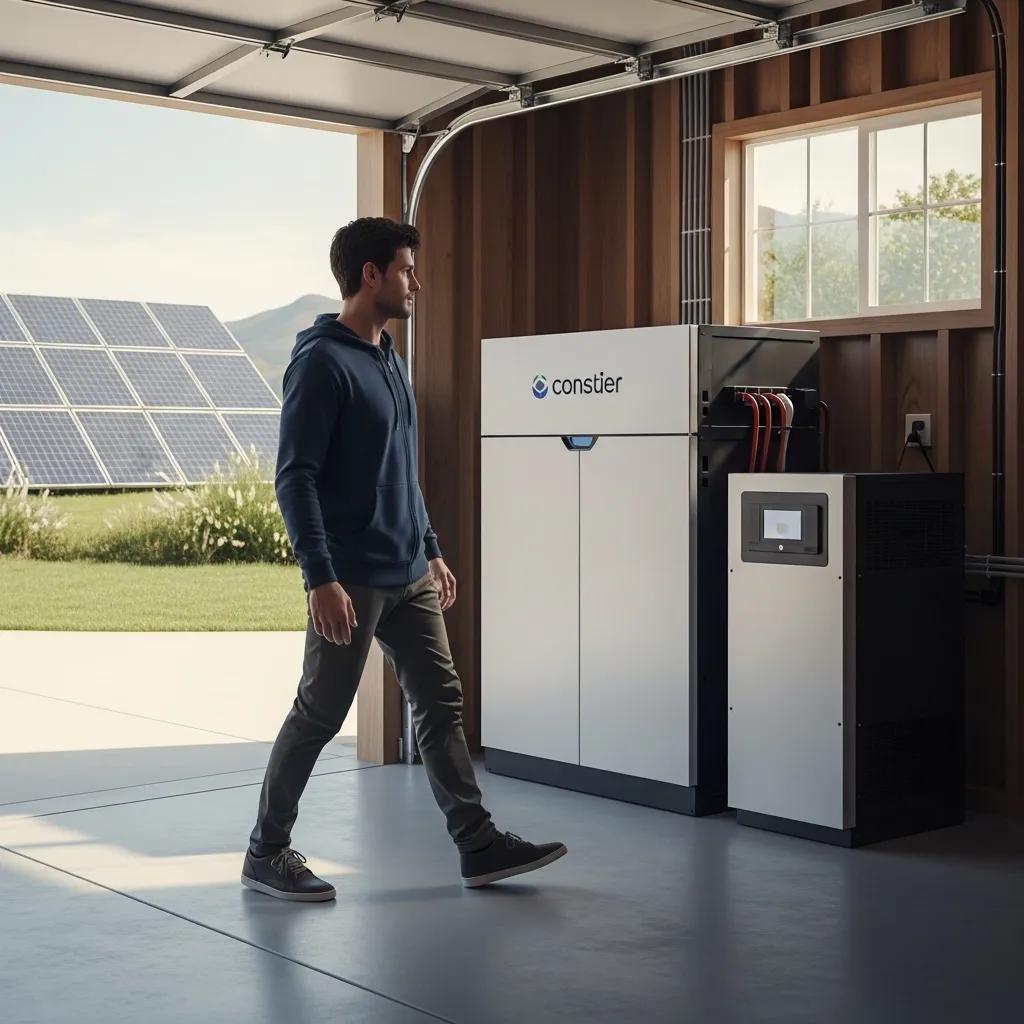
Energy storage systems play a vital role in maximizing the benefits of solar energy.
While energy storage offers significant advantages, it’s important to consider both the benefits and potential trade-offs associated with these systems.
Home Solar Energy Storage Benefits & Trade-offs
1. There has been growing interest in using energy storage to capture solar energy for later use in the home to reduce reliance on the traditional utility. However, few studies have critically assessed the trade-offs associated with storing solar energy rather than sending it to the utility grid, as is typically done today. Here we show that a typical battery system could reduce peak power demand by 8–32% and reduce peak power injections by 5–42%, depending on how it operates. However, storage inefficiencies increase annual energy consumption by 324–591 kWh per household on average. Furthermore, storage operation indirectly increases emissions by 153–303 kg CO2, 0.03–0.20 kg SO2and 0.04–0.26 kg NOxper Texas household annually. Thus, home energy storage would not automatically reduce emissions or energy consumption unless it directly enables renewable energy.
The impacts of storing solar energy in the home to reduce reliance on the utility, RL Fares, 2017
- Energy Independence: By storing excess energy generated during the day, homeowners can use it during peak hours or when the sun isn’t shining.
- Cost Savings: Energy storage can help homeowners avoid high electricity rates during peak demand times, leading to additional savings.
- Backup Power: In the event of a power outage, energy storage systems can provide backup power, ensuring that essential appliances remain operational.
Understanding the importance of energy storage can help homeowners make informed decisions about their solar energy systems.