When homeowners start researching solar power, one of the first questions they run into is solar panel vs solar roof. The terms sound similar, but they describe two different approaches to turning sunlight into power for your home, and knowing the difference can help you make a more confident decision.
Baker Home Energy has spent more than 86 years helping Southern California homeowners make sense of decisions like this one. As a licensed electrical contractor with deep roots in the Baker Electric family, we have installed more than 30,000 solar panel systems across San Diego County using our own in-house teams—so it’s safe to say we know a thing or two about solar. In this guide, we’ll compare the two so you can weigh them with confidence before deciding what’s right for your home.
Solar Power: The Basics
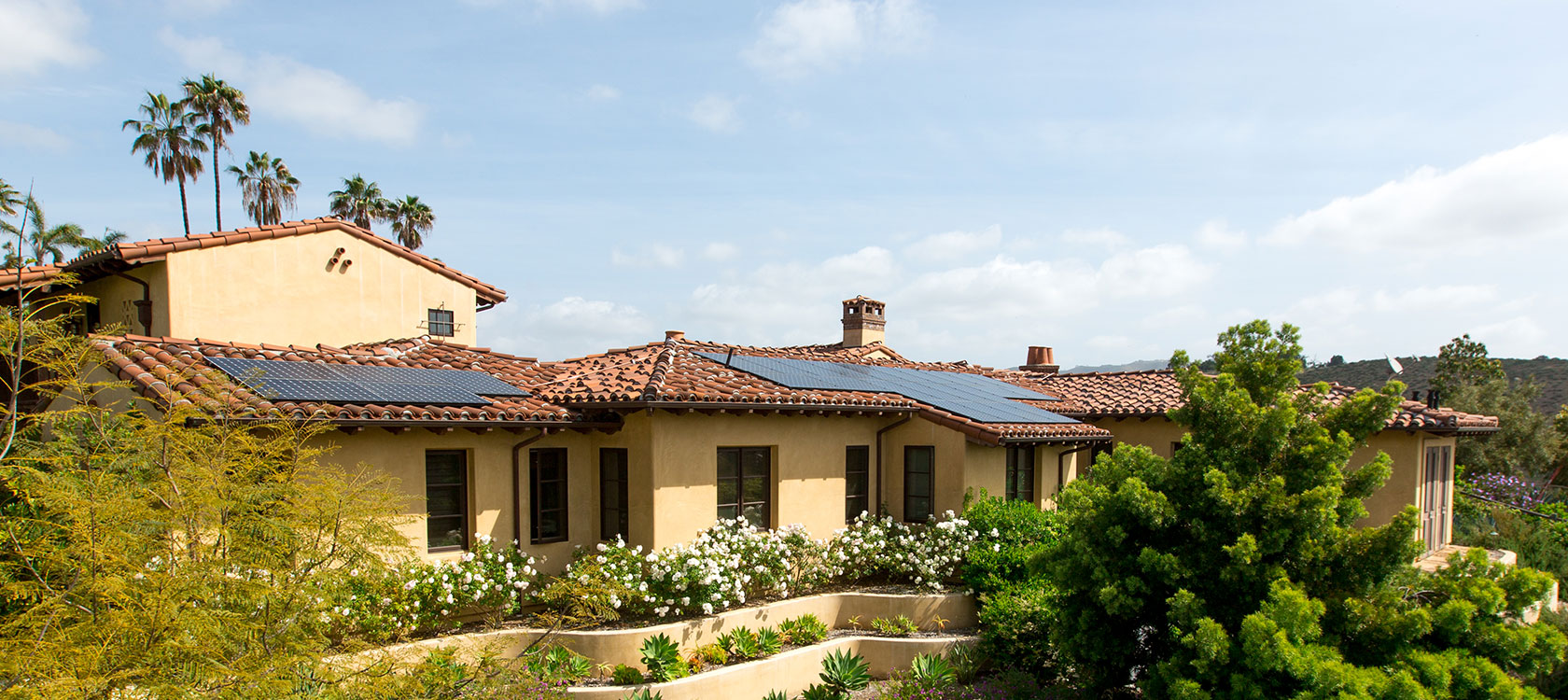
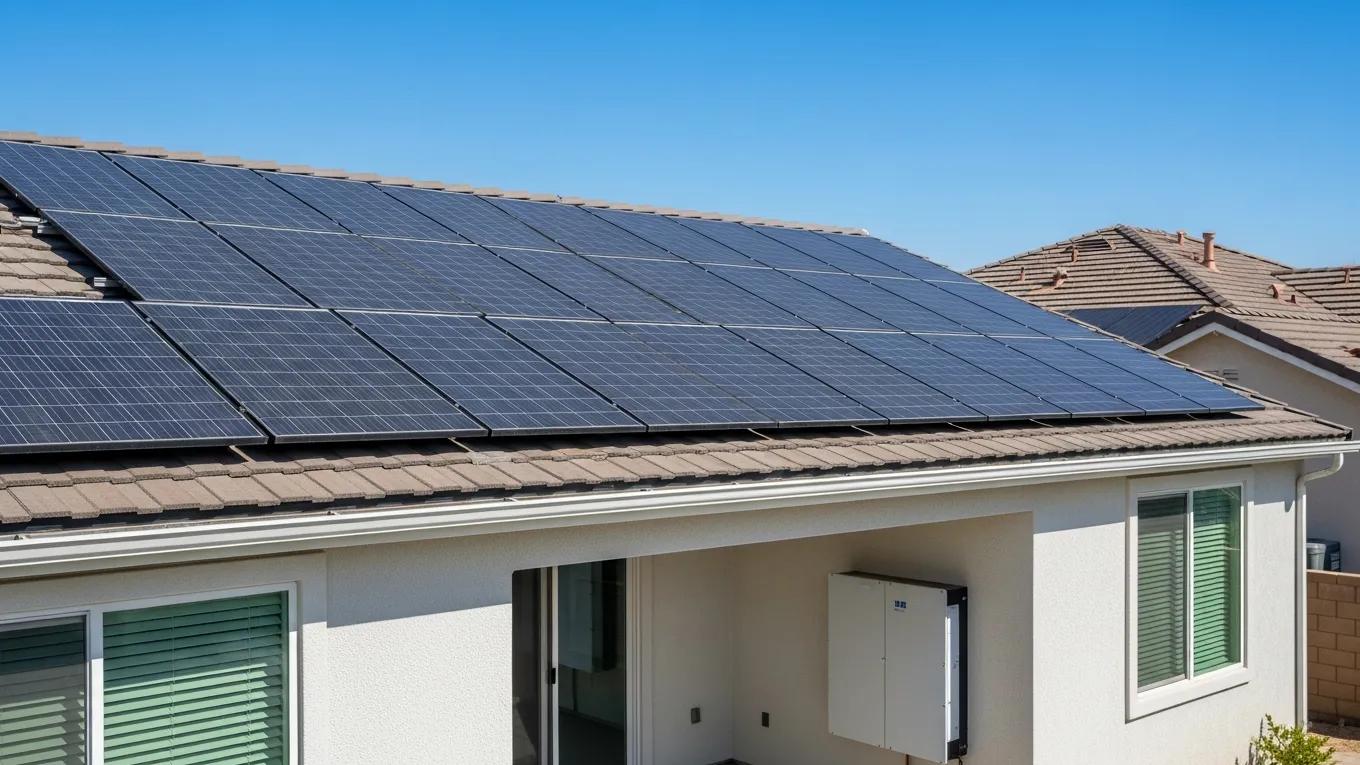
A solar panel, also called a solar cell panel, solar electric panel, or photovoltaic (PV) module, is a group of cells that generate solar energy from sunlight, all mounted together in a framework called a panel. Homeowners typically install these panels on top of an existing roof, which is why you will often hear them called roof solar panels or a solar panel roof.
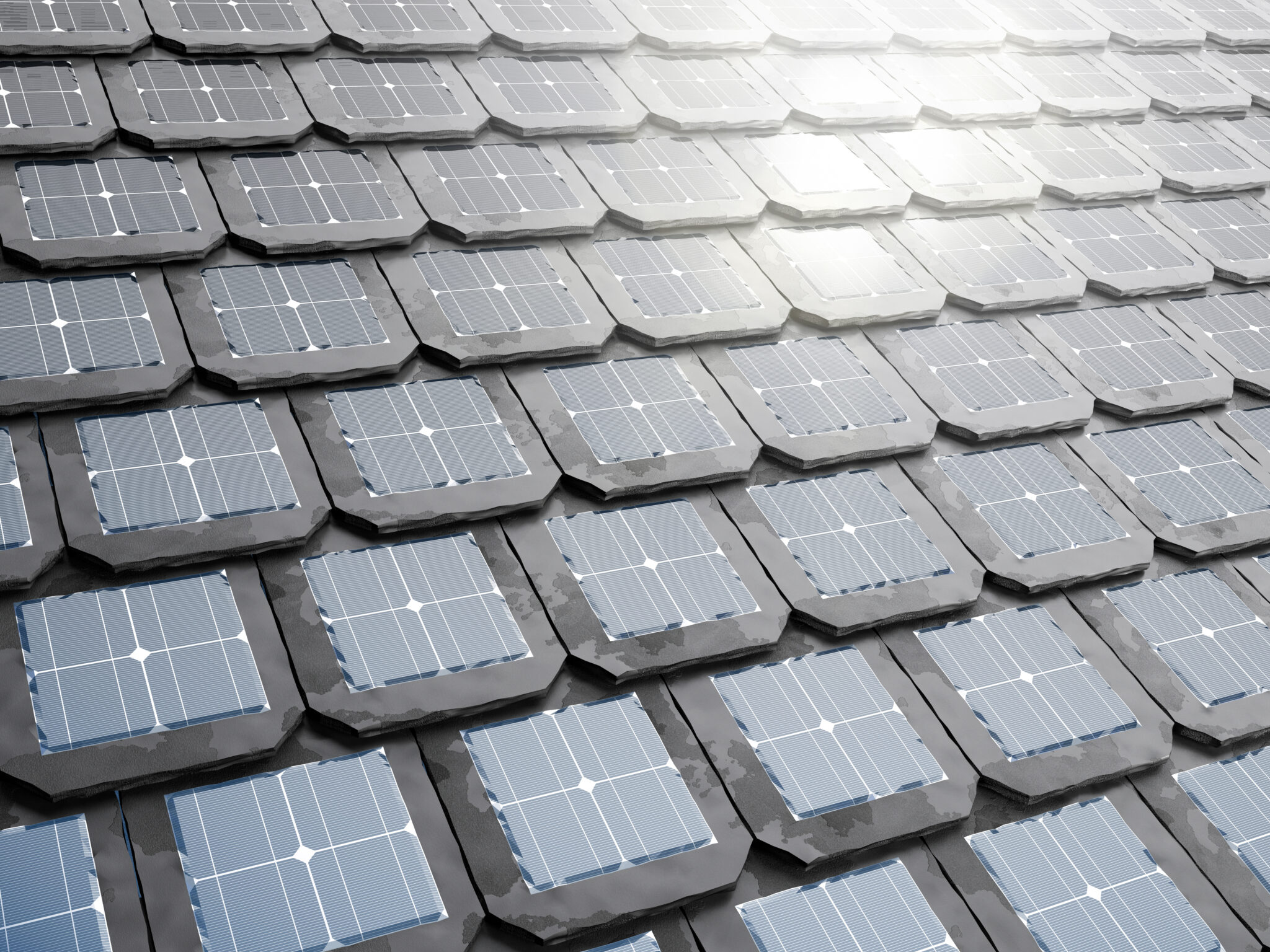
A solar roof takes a different approach. Instead of adding panels on top of your existing roof, a solar roof uses roofing materials that absorb sunlight directly as part of the roof’s construction, often through solar roof shingles built into the surface itself. The term solar roof can refer to an entire roof or just a section of it.
A Brief History of Solar Energy
Most homeowners today have some familiarity with solar panels, whether from camping gear or rooftops around the neighborhood. The first rooftop solar panels, connected directly to a building’s roof, were installed in the late 1800s.
The first true solar roof did not appear until nearly a century later, in 1973, when researchers at the University of Delaware found a way to integrate solar cells directly into roofing material instead of placing panels on top.
Since then, solar energy technology has come a long way, with steady gains in energy production and efficiency. As more Southern California homeowners look for reliable ways to manage rising energy costs, the comparison between solar roof vs solar panels has become a common part of the research process. Below, we break down how each option works, what makes them different, and how to think through the decision for your own home.
What Is a Solar Roof?
The easiest way to understand the difference between a solar roof and solar panels is to think of it as whole versus part. A solar panel roof adds individual panels on top of your existing roofing. A true solar roof, on the other hand, is built using integrated materials that convert sunlight into electricity as part of the roof surface itself, rather than sitting above it.
These integrated solar roof tiles may be included during a home’s original construction, or added later as an upgrade. Homeowners often consider a solar roof when their existing roof needs replacing anyway, or when they want to improve energy efficiency and home value at the same time.
Solar panel installations are usually visible as an added feature on the roof. Solar roofs, by comparison, are designed to blend into the home’s architecture. For homeowners who care about how solar looks on their house, this difference in appearance is often a deciding factor.
Although thin, solar roof tiles are built to hold up against sun exposure and weather. Around San Diego, these products are commonly made using materials such as gallium, indium, selenide, and copper, which help them perform well under strong, consistent sunlight.
Types of Solar Roofs
Solar Metal Roofing A solar metal roof looks similar to a standard metal roof but includes several layers, including a top layer of tempered glass over the solar cells. With hidden wiring and a range of available colors, this option lets homeowners choose a look that fits their home while generating power.
Interlocked Solar Panel Roofing This approach uses sections of solar panels in place of traditional roofing materials like asphalt shingles or clay tile. With no separate roofing layer underneath, the panels interlock to keep out air, water, and debris.
Solar Shingles Solar shingles, sometimes called solar roof shingles or solar roof tiles, are designed to resemble standard roofing shingles while generating power. Hidden wiring keeps the look clean, and monocrystalline options made from silicon typically offer the highest efficiency among solar roof tile products.
A solar roof generally costs more upfront than installing solar panels over a comparable area. That said, the potential benefits, including added home value, and lower electricity bills, are worth weighing against the higher installation cost.
Solar Panel Advantages
Traditional solar panels remain the more common and often more practical choice for many Southern California homes, with lower upfront costs than a full solar roof and strong energy production per square foot.
Adjustability Panels can be angled to capture more direct sunlight, which can support better energy production and efficiency over time.
Portability Solar panels can technically be removed and reinstalled, though this is rarely recommended unless it is handled by an experienced, qualified team.
Affordability A roof solar panel installation is typically less expensive than a full solar roof, especially when no roof work is needed. If you already know your roof will need repairs soon, it usually makes sense to schedule that work before installing panels.
How to Choose Between a Solar Roof and Solar Panels
Once you have confirmed that your roof can support solar, the decision often comes down to priorities like appearance, budget, and timing. Many homeowners comparing solar roof tiles vs panels find it helpful to think through a few key questions.
These factors can help point you toward a solar roof, traditional solar panels, or in some cases a combination of both, depending on what matters most for your home and budget.
| Feature | Solar Roof | Solar Panels |
| Appearance | Excellent, blends seamlessly into the roofline | Good, visible but increasingly streamlined |
| Cost | Higher upfront investment | Lower upfront investment |
| Efficiency | Moderate to high | High |
| Ease of Repair | Lower, more involved to service | Higher, simpler to access and repair |
| Available Installers | Limited, specialized expertise required | Broad, widely available across Southern California |
Getting Guidance You Can Trust
Before committing to any solar installation, it helps to work with a company that can walk you through your specific options in plain language, not just sell you a system. You want a team that installs to a high standard and stays local to support you long after the work is done.
Baker Home Energy has served Southern California since 1938 and is part of the Baker Electric family, with deep roots as a licensed electrical contractor. We have installed more than 30,000 solar systems for homeowners across San Diego County, using our own in-house teams rather than subcontractors, so the same standard of work follows through from consultation to installation.
That commitment to doing things right is part of what we call The Baker Way®, our approach to honest guidance, quality installation, and long-term support. Whether you are weighing a solar panel roof against a full solar roof replacement, or just starting to explore what solar power could mean for your home’s energy use, our team can help you sort through the options with confidence.
Frequently Asked Questions
Is a solar roof better than solar panels?
It depends on your priorities. Solar tiles tend to offer a more seamless look and strong durability, while traditional solar panels are usually more affordable and easier to adjust or service. Homeowners who care most about appearance often lean toward a solar roof, while those focused on cost and flexibility often choose panels.
How does a Tesla solar roof compare to solar panels?
Products like the Tesla Solar Roof fall into the solar roof category, but rather than traditional solar panel systems, they use integrated tiles on top of the roof. The same general tradeoffs apply: a higher upfront cost in exchange for a more streamlined appearance. Baker can help you evaluate whether an integrated solar roof product or a traditional roof solar panel system makes more sense for your specific home and goals.
Are solar roof tiles as efficient as traditional panels?
Efficiency can vary by product and manufacturer, but traditional solar panels generally offer higher energy output per square foot of roof space than most solar roof tile products. For homeowners focused on maximizing energy production, panels are often the more efficient choice.
Can I install solar panels if I need a new roof soon?
In most cases, yes, but it usually makes sense to handle roof repairs or replacement first. Baker’s in-house team can evaluate your roof and recommend the right sequence of work so your solar investment is protected for the long term.
Does Baker install both solar roofs and solar panel roofs?
Baker specializes in traditional solar panel installations backed by more than 86 years of experience and 30,000-plus systems installed across Southern California. Our team can walk you through how solar roof products compare and help you decide which path fits your home, your roof, and your energy goals.
Ready to explore your options? Request a Quote and our team will help you find the right solar approach for your San Diego home.